Guava | Benefits of Guava | How to Use Guava | Guava Guide
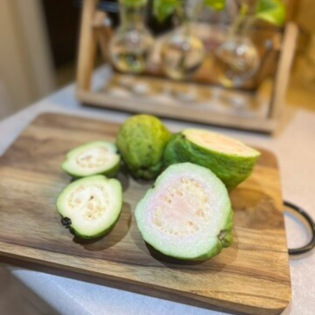
Guava is a tropical fruit loved for its sweet flavor, refreshing taste, and impressive nutritional value. While both pink and white guavas belong to the same fruit family, they differ in color, taste, texture, antioxidant content, and a few nutritional aspects. Both varieties are excellent sources of vitamin C, fibre, and antioxidants, making them healthy additions to your diet.
Nutritional Content (Per 100g)
- Pink Guava:
- Pink guava provides approximately 68 calories, 0.9 g fats, 2.6 g proteins, 14.3 g
- carbohydrates, and 5.4 g fibre. It is particularly rich in lycopene, vitamin C, vitamin A, and
- antioxidants.
- White Guava:
- White guava provides approximately 68 calories, 1.0 g fats, 2.6 g proteins, 14.3 g
- carbohydrates, and 5.2 g fibre. It is an excellent source of vitamin C, potassium, and dietary
- fibre.
Key Differences Between Pink and White Guava
Flesh Color
- The most obvious difference is the flesh color. Pink guava has vibrant pink to deep salmon-
- colored flesh due to the presence of lycopene, while white guava has creamy white or pale
- yellow flesh.
Taste and Texture
- Pink guava is generally sweeter, juicier, and softer, making it ideal for juices, smoothies, and
- desserts. White guava has a firmer texture and a slightly tangier taste, making it perfect for eating
- fresh or adding to fruit salads.
Antioxidant Content
- Pink guava contains higher levels of lycopene, a powerful antioxidant also found in tomatoes.
- Lycopene helps protect cells from oxidative damage and supports heart and skin health. White
- guava is also rich in antioxidants but contains much lower amounts of lycopene.
Vitamin Content
- Both varieties are excellent sources of vitamin C, providing more than the daily recommended
- intake in a single serving. Pink guava contains slightly more vitamin A because of its natural
- pigments, while white guava is particularly valued for its high vitamin C content.
Best Uses
- Pink guava is commonly used in juices, jams, smoothies, desserts, and fruit purees because of its
- sweetness and vibrant color. White guava is often enjoyed fresh, sprinkled with spices, or used in
- salads and savory dishes due to its crisp texture.
- Both pink and white guava are highly nutritious fruits packed with fibre, vitamin C, and
- antioxidants. Pink guava stands out for its sweeter taste and higher lycopene content, while white
- guava offers a crisp texture and refreshing tanginess. No matter which variety you choose, both
- are excellent fruits that support immunity, digestion, heart health, and overall well-being.